
Massage for Back Pain: Techniques, Benefits, and Relief Tips

Updated: Sep 19
Many people search for massage for back pain relief when dealing with muscle tension, poor posture, or chronic discomfort. Back pain is a common issue that affects millions of people worldwide. Whether caused by poor posture, injury, or chronic conditions, it can significantly impact daily life. One of the most effective and natural ways to alleviate back pain is through massage therapy. This article explores various back pain massage techniques, how to identify the source of your pain, and practical tips to maximize relief.
Understanding Back Pain Massage Techniques
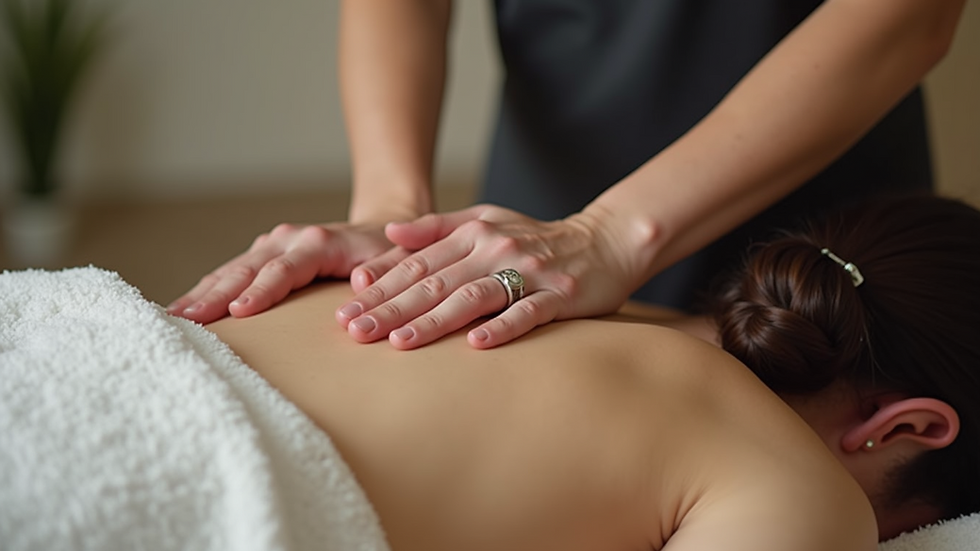
Massage therapy for back pain involves manipulating the muscles and soft tissues to reduce tension, and promote relaxation. Different techniques target specific areas and types of pain. Here are some popular back pain massage techniques:
Swedish Massage: This technique uses long, gliding strokes, kneading, and circular movements to relax muscles and improve blood flow. It is gentle and suitable for general muscle tension.
Deep Tissue Massage: Focused on deeper layers of muscle and connective tissue, this technique uses slower strokes and more pressure to relieve chronic muscle tension and knots.
Trigger Point Therapy: This targets specific tight areas or "knots" in muscles that cause pain in other parts of the body. Applying pressure to these points can release tension and reduce referred pain.
Myofascial Release: This technique involves gentle, sustained pressure on the connective tissue (fascia) to eliminate pain and restore movement.
Sports Massage: Designed for athletes, this technique combines various methods to prevent and treat injuries, improve flexibility, and reduce muscle soreness.
Each technique can be tailored to your specific needs, depending on the cause and severity of your back pain.
How to Tell if Back Pain is Muscle or Disc?
Determining whether your back pain originates from muscle strain or a disc problem is crucial for choosing the right treatment. Here are some key differences:
Muscle Pain:
- Usually feels like a dull ache or stiffness.
- Often worsens with movement and improves with rest.
- May be accompanied by muscle spasms or tightness.
- Commonly caused by overuse, poor posture, or sudden injury.
Disc Pain:
- Often sharp, shooting, or burning pain.
- May radiate down the legs (sciatica) if a nerve is compressed.
- Can cause numbness, tingling, or weakness in limbs.
- Usually worsens with sitting, bending, or lifting.
If you experience severe pain, numbness, or weakness, it is important to consult a healthcare professional for an accurate diagnosis. Massage therapy can be beneficial for muscle-related pain but should be approached cautiously if a disc issue is suspected.
Benefits of Massage Therapy for Back Pain
Massage therapy offers numerous benefits beyond simple pain relief. Here are some advantages:
Reduces Muscle Tension: Massage helps relax tight muscles, reducing stiffness and improving flexibility.
Supports blood flow and tissue recovery: Enhanced blood flow delivers oxygen and nutrients to muscles, promoting healing.
Decreases Inflammation: Certain massage techniques can reduce inflammation and swelling in affected areas.
Releases Endorphins: Massage stimulates the release of natural painkillers, improving mood and reducing stress.
Enhances Posture: Regular massage can correct muscle imbalances that contribute to poor posture and back pain.
Incorporating massage therapy into your routine can complement other treatments such as physical therapy, exercise, and medication.

Practical Tips for Maximizing Back Pain Relief with Massage
To get the most out of your back pain massage sessions, consider these practical tips:
Communicate Clearly: Inform your therapist about your pain areas, intensity, and any medical conditions.
Stay Hydrated: Drink plenty of water before and after massage to support post-treatment recovery.
Combine with Stretching: Gentle stretching after massage can maintain muscle flexibility and prevent stiffness.
Use Heat Therapy: Applying heat before massage can relax muscles, while cold packs afterward can reduce inflammation.
Schedule Regular Sessions: Consistency is key. Regular massages can provide ongoing relief and prevent future pain.
Practice Good Posture: Maintain proper posture throughout the day to reduce strain on your back muscles.
Avoid Heavy Lifting: Minimize activities that exacerbate your pain, especially during flare-ups.
By following these recommendations, you can enhance the effectiveness of massage therapy and support your recovery.
When to Seek Professional Help
While massage therapy is effective for many types of back pain, it is not a substitute for medical evaluation in certain cases. Seek professional help if you experience:
Severe or worsening pain
Pain following trauma or injury
Numbness, tingling, or weakness in legs or arms
Loss of bladder or bowel control
Fever or unexplained weight loss
A healthcare provider can diagnose underlying conditions and recommend appropriate treatments, which may include physical therapy, medication, or surgery.
For those looking for a natural and effective way to ease discomfort, massage for back pain offers a valuable option that can be tailored to individual needs.
By understanding the different back pain massage techniques and knowing how to identify the source of your pain, you can take proactive steps toward back pain relief. Incorporate massage therapy into your wellness routine and enjoy improved comfort and mobility.
About the Writer
Corey Richason is a licensed massage therapist and the owner of Vital Kneads Massage in Surprise, AZ. With hands-on experience dating back to 2001, Corey works with active adults who want to move better, feel better, and stay consistent with the activities they enjoy.
His sessions blend focused massage therapy, deep tissue work, sports massage, mobility-focused bodywork, and practical client education. His goal is simple: help people feel less restricted, less stressed, and more comfortable in their own body.
You can check openings anytime at:
About the Author
Corey Richason, LMT, is the owner of Vital Kneads Massage in Surprise, Arizona. A licensed massage therapist practicing since 2001, he works with active adults who want to reduce pain and stiffness, improve mobility, and stay active. His approach combines therapeutic massage, sports massage techniques, mobility-focused bodywork, and evidence-informed client education.


Comments